We get asked about AI a lot lately. Clients want to know if we use it, how we use it, and what it means for the work we deliver. Fair questions, so here's a straightforward look at how AI fits into our day-to-day.
We've been early adopters of AI tooling, not because of the hype, but because we saw real, practical gains. That said, we're selective. We integrate AI where it genuinely makes us better, and we keep humans firmly in charge of the work that matters most.
AI across the team
AI at Digismoothie isn't limited to engineering. Our entire team runs on the Anthropic Claude stack, and we use it daily: for analyses, drafting documents, and structuring ideas.
A good example is project specifications. After a client debrief, we use AI to outline a draft spec based on the notes and context from the meeting. A project manager then reviews it, refines the details, and makes sure it truly reflects what the client needs. The AI gets us to a solid starting point fast. The human makes sure it's right.
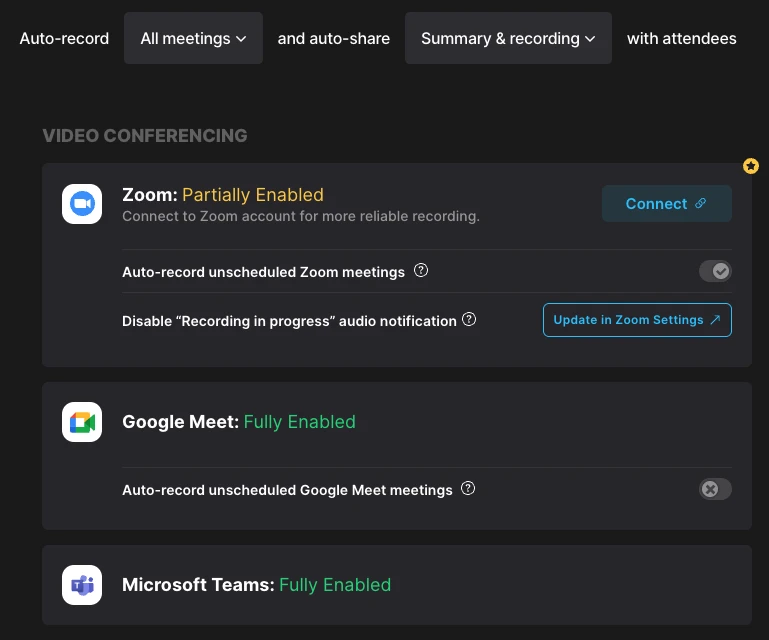
Our project managers also use Fathom for meeting recordings and notes, which means less time on admin and more time focused on the actual conversation.
AI in Engineering
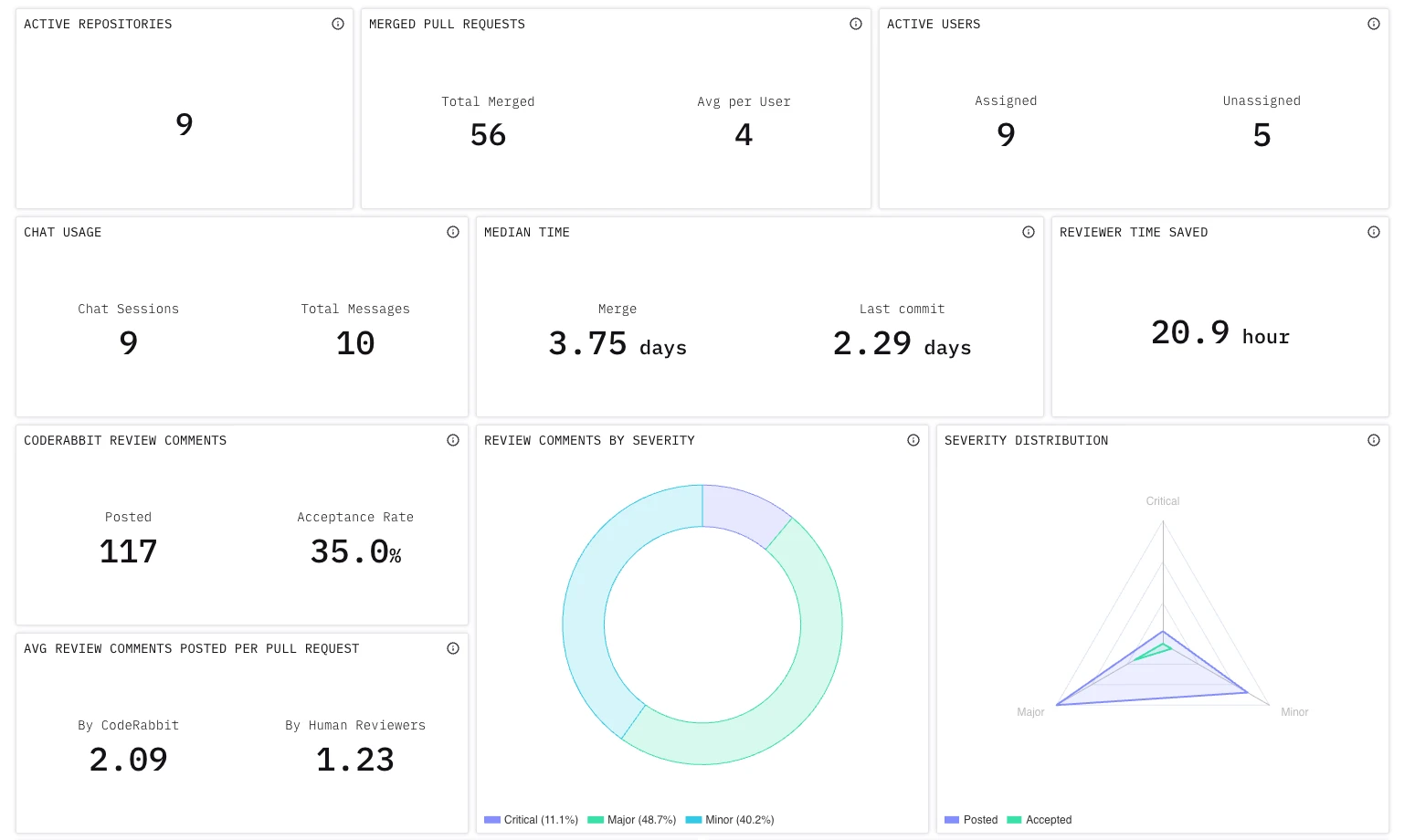
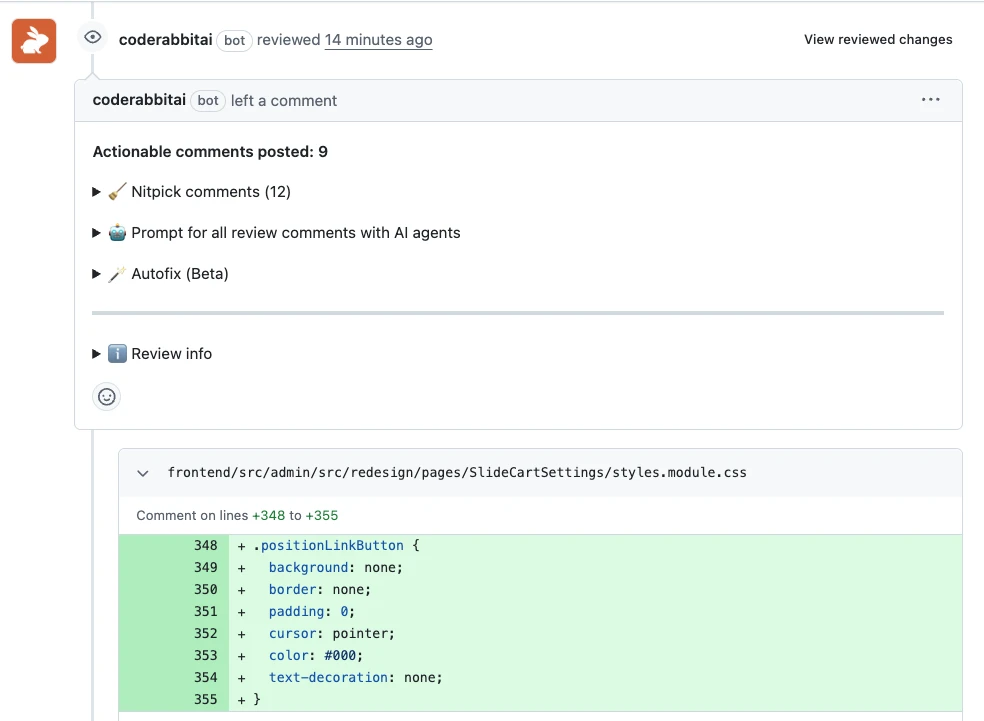
This is where the impact is most visible. Our engineers work with Claude Code and Cursor every day, and we use CodeRabbit as a first layer of code reviews.
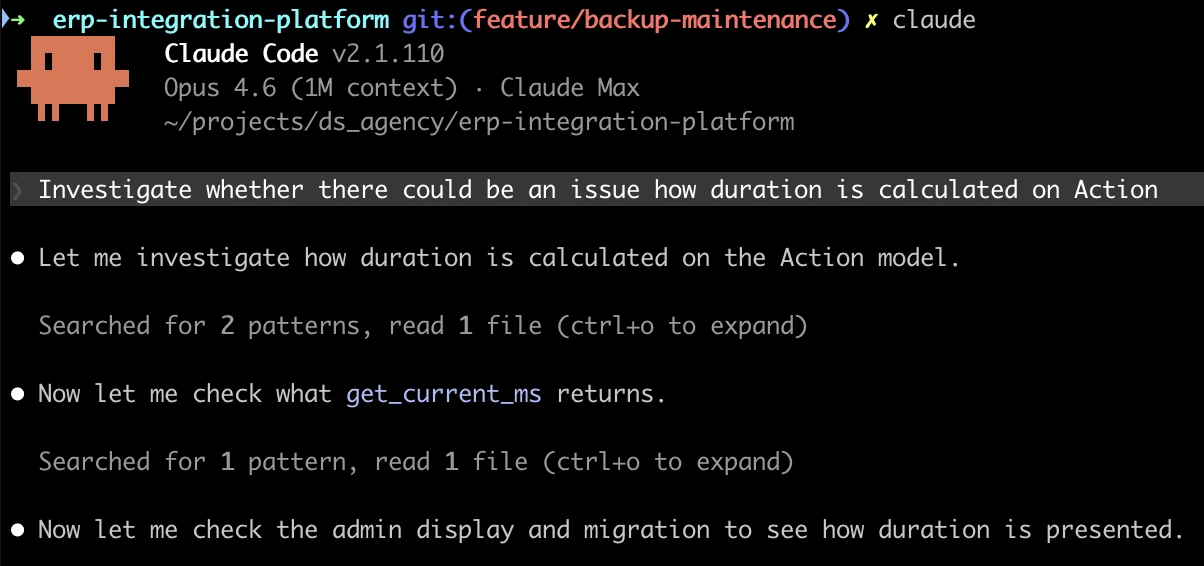
AI dramatically speeds up the coding itself. Tasks that involve writing boilerplate, scaffolding components, or implementing well-defined logic happen significantly faster than before.
But here's the part that often gets lost in the AI conversation: coding was never the bottleneck. The real work of engineering – understanding the problem, defining the task, choosing the right approach, and then verifying that the result actually works and meets quality standards – still takes the majority of an engineer's time. AI hasn't changed that, nor should it.
There's another shift that's less obvious but just as important: AI allows our people to work across a broader scope. Where a task used to require a frontend specialist and a backend specialist, with all the handoffs and coordination that entails. A single engineer can now handle both sides confidently, with AI filling the gaps in domain-specific knowledge. Less coordination, fewer dependencies, faster delivery. And this isn't limited to engineering, people across the company are finding they can take on tasks that previously sat outside their expertise, acting on their knowledge directly instead of waiting for someone else to execute.
Where the gains really add up is in focused, well-scoped tasks. For instance, store performance analysis and the subsequent implementation of improvements used to take days. With AI-assisted development, we can deliver the same quality of work in a matter of hours.
AI in our agency work
Most of the work on a client project is thinking, deciding and talking to people. But a surprising amount of it used to be manual: rewriting meeting notes into tasks, copying the same paragraphs from one spec to another, filling estimate templates line by line. That's the part we hand to AI.
From a client call to a Jira task
When a client asks for something on a call, our project manager confirms it the way they always have: "Agreed, we'll add it to the next sprint." What happens next is where AI helps.
- Right after the call, the transcript goes to AI.
- AI drafts the Jira task with the requirements that were agreed on the call and proposes the sprint it belongs to.
- AI drafts a short summary of the call for the shared Slack channel with the client.
- The PM reviews both, corrects anything that's off, and only then the task is created and the summary posted.
Nothing gets lost between the call and the backlog, and the PM doesn't spend half an hour after every meeting rewriting notes.
Before and between calls
- Call preparation: before a client call, AI pulls the current state of the project from Jira: open blockers, what's waiting for the client, what's ready for testing. The PM gets a briefing and a suggested agenda and decides what to bring up.
- Weekly status updates: AI prepares a project update for the client's Slack channel from Jira. The PM checks it before it goes out.
- Email follow-ups: AI flags threads where someone is waiting for our answer and drafts a reply. It fills in only what it can find in our internal documentation, such as technical answers and the right Jira ticket numbers. The PM finishes and sends it.
Estimates and technical specifications
- Estimates: AI prepares the first version of a project estimate in our standard structure. We no longer build the template or type in every line by hand. Our developers then go through it and rewrite the numbers based on real experience from similar projects.
- Technical specifications: we used to write specs entirely by hand and then copy the parts that are identical across projects. Now AI drafts the whole specification and we review and edit it in detail. The time goes into the parts that are specific to the client, not into retyping the standard ones.
Design and theme development
With Figma MCP, AI helps us create new pages, both for our own website and for client stores when the client agrees to this approach in advance. AI also helps implement Figma designs into the Shopify theme. A designer always does the final review and fixes what AI got wrong.
This shows up in the price. For an MVP store built to validate a business plan, we can deliver the template significantly faster and at a lower cost. See how we build new stores.
Data migration and product data
- Migrations: AI helps us prepare and run data imports into Shopify, such as products, customers and orders. Our team validates the data before launch.
- Product data: AI helps with product descriptions, metafields, alt texts and translations. A person checks the output before it goes live.
AI in Operations
Beyond client work, we use AI to automate internal processes like forecasting, budgeting, and performance analysis. It's not glamorous, but it means our operations run leaner and we can put more energy into the work that reaches our clients.
Staying ahead by sharing
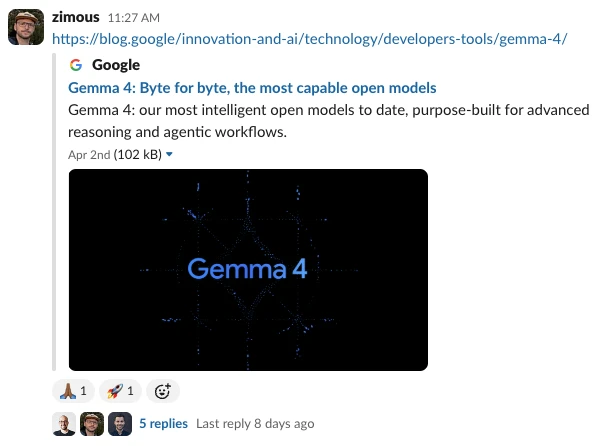
The AI landscape moves fast. New tools, new capabilities, and new ways of working appear almost weekly. We believe the only way to keep up is to learn together. That's why we run dedicated meetings focused on AI, and maintain a shared Slack channel where everyone on the team posts useful discoveries like new workflows, tips, tool recommendations, things that worked and things that didn't. It keeps the whole team sharp, not just the early enthusiasts.
What it all adds up to
We use AI to spend less time on execution and more time on thinking. The analysis, the strategy, the quality control, the conversations with clients – that's where our value lies, and that's where our people focus.
AI is a tool. A powerful one, and one we've committed to mastering. But the decisions, the standards, and the responsibility – those stay with us.