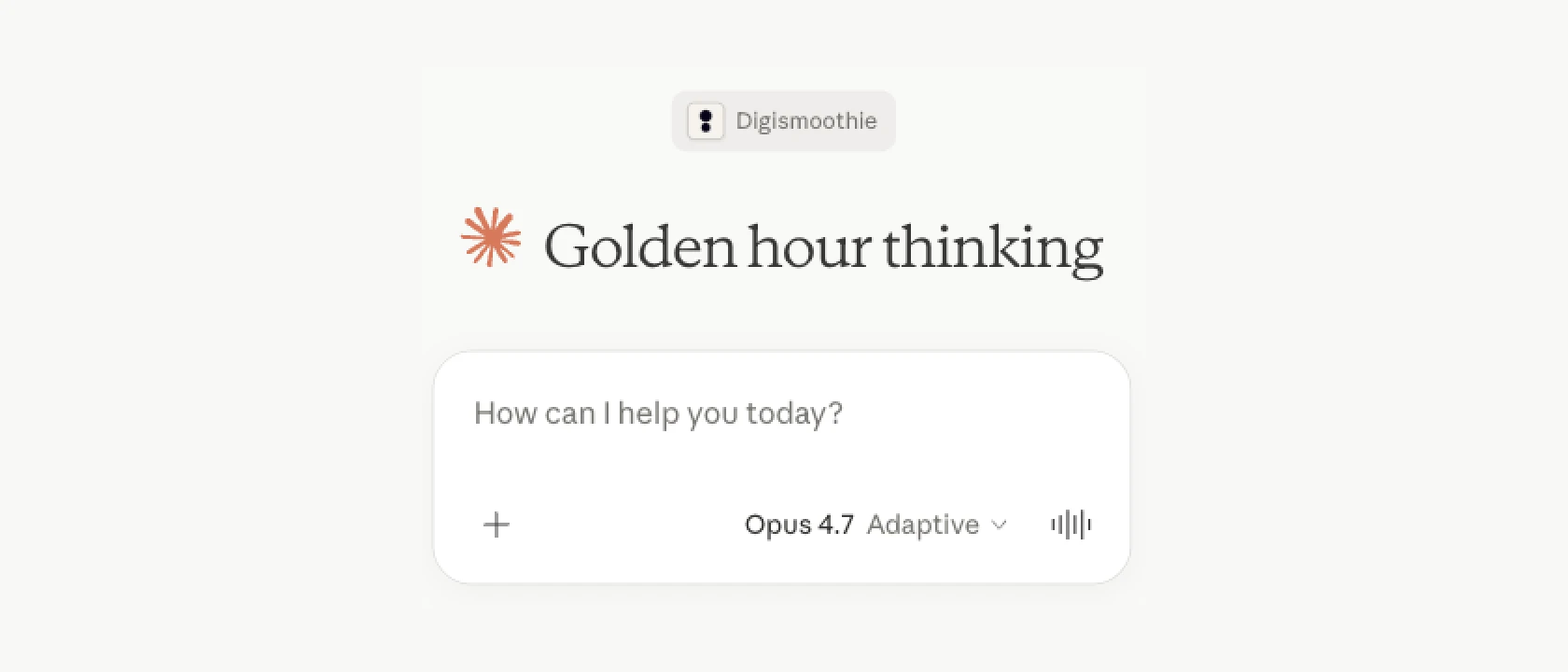
Wir werden in letzter Zeit oft auf KI angesprochen. Kunden möchten wissen, ob wir sie einsetzen, wie wir das tun und was das für unsere Arbeit bedeutet. Berechtigte Fragen, daher hier ein direkter Einblick, wie KI in unseren Alltag passt.
Wir waren frühe Anwender von KI-Tools, nicht wegen des Hypes, sondern wegen der echten, praktischen Vorteile. Dennoch sind wir wählerisch. Wir integrieren KI dort, wo sie uns wirklich besser macht, und lassen Menschen die Verantwortung für die Aufgaben, auf die es ankommt.
KI im gesamten Team
KI bei Digismoothie beschränkt sich nicht auf die Technik. Unser gesamtes Team nutzt den Anthropic Claude Stack täglich: für Analysen, das Entwerfen von Dokumenten und das Strukturieren von Ideen.
Ein gutes Beispiel sind Projektspezifikationen. Nach einem Kundengespräch nutzen wir KI, um einen Entwurf basierend auf den Notizen und dem Kontext zu erstellen. Ein Projektmanager prüft diesen dann, verfeinert die Details und stellt sicher, dass er den Kundenanforderungen entspricht. Die KI liefert uns schnell eine solide Basis. Der Mensch sorgt für die Qualität.
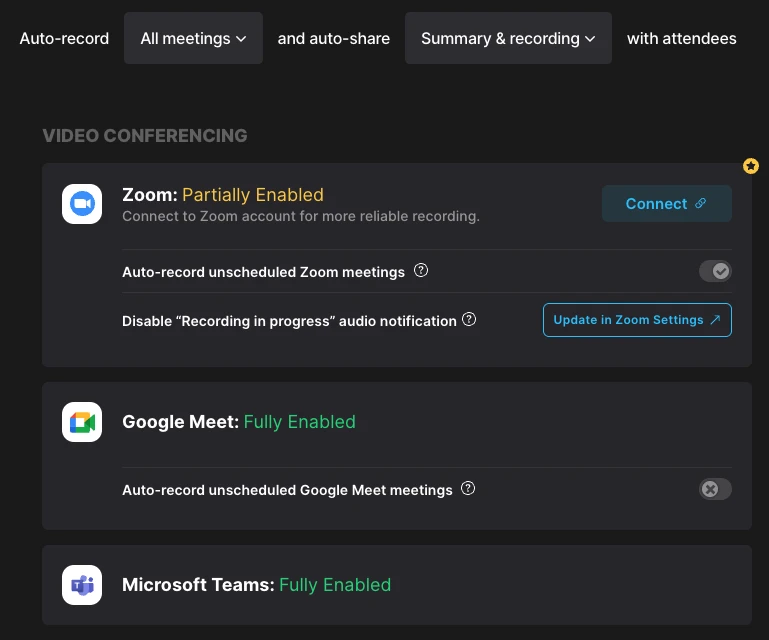
Unsere Projektmanager nutzen Fathom für Meeting-Aufzeichnungen und Notizen. Das bedeutet weniger Verwaltungsaufwand und mehr Zeit für das eigentliche Gespräch.
KI in der Entwicklung
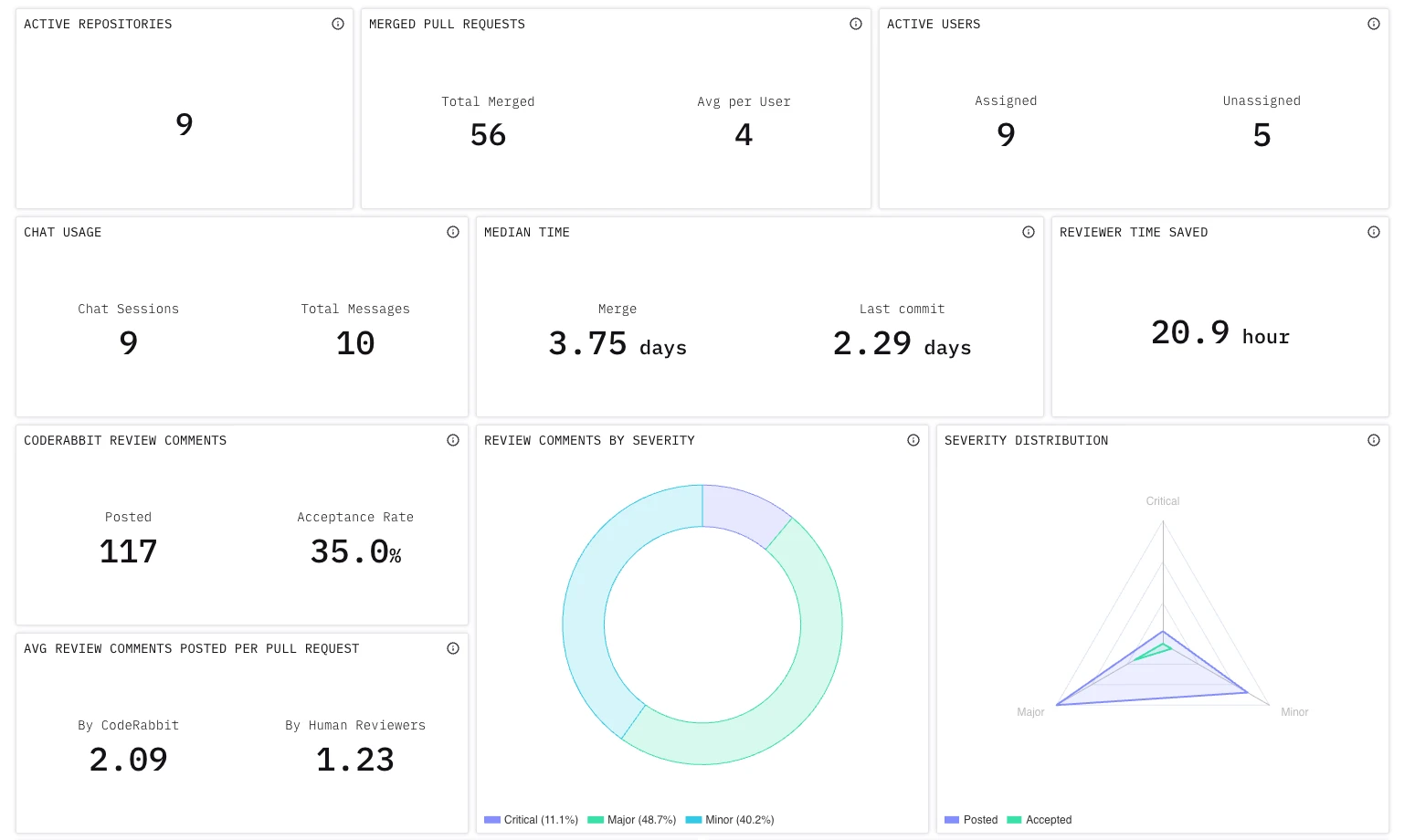
Hier ist der Einfluss am deutlichsten. Unsere Entwickler arbeiten täglich mit Claude Code und Cursor, und wir nutzen CodeRabbit als erste Ebene für Code-Reviews.
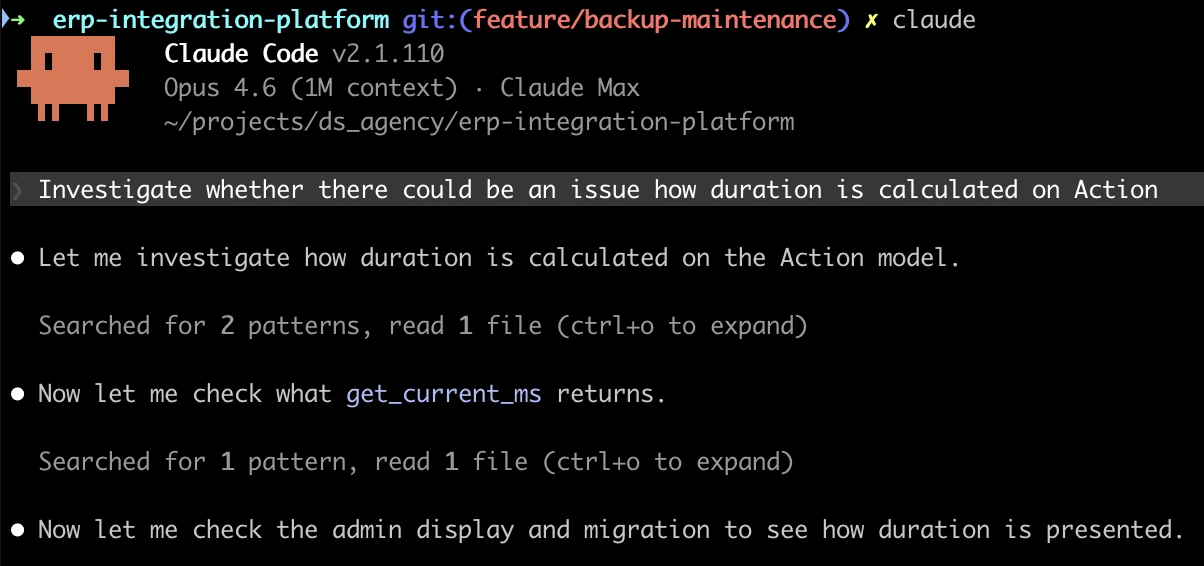
KI beschleunigt das Programmieren enorm. Aufgaben wie das Schreiben von Boilerplate-Code, das Erstellen von Grundgerüsten oder die Implementierung klar definierter Logik gehen deutlich schneller als zuvor.
Doch hier ist der Punkt, der in der KI-Diskussion oft untergeht: Programmieren war nie der Flaschenhals. Die eigentliche Arbeit – das Problem verstehen, die Aufgabe definieren, den richtigen Ansatz wählen und das Ergebnis auf Qualität prüfen – nimmt nach wie vor den Großteil der Zeit in Anspruch. KI hat das nicht geändert, und das sollte sie auch nicht.
Es gibt eine weitere Veränderung, die weniger offensichtlich, aber ebenso wichtig ist: KI ermöglicht es unseren Mitarbeitern, breiter zu arbeiten. Wo früher ein Frontend- und ein Backend-Spezialist nötig waren, kann heute ein einzelner Entwickler beide Seiten souverän abdecken, da die KI Wissenslücken schließt. Weniger Abstimmung, weniger Abhängigkeiten, schnellere Lieferung. Das gilt nicht nur für die Technik: Alle im Unternehmen können Aufgaben übernehmen, die zuvor außerhalb ihres Fachgebiets lagen.
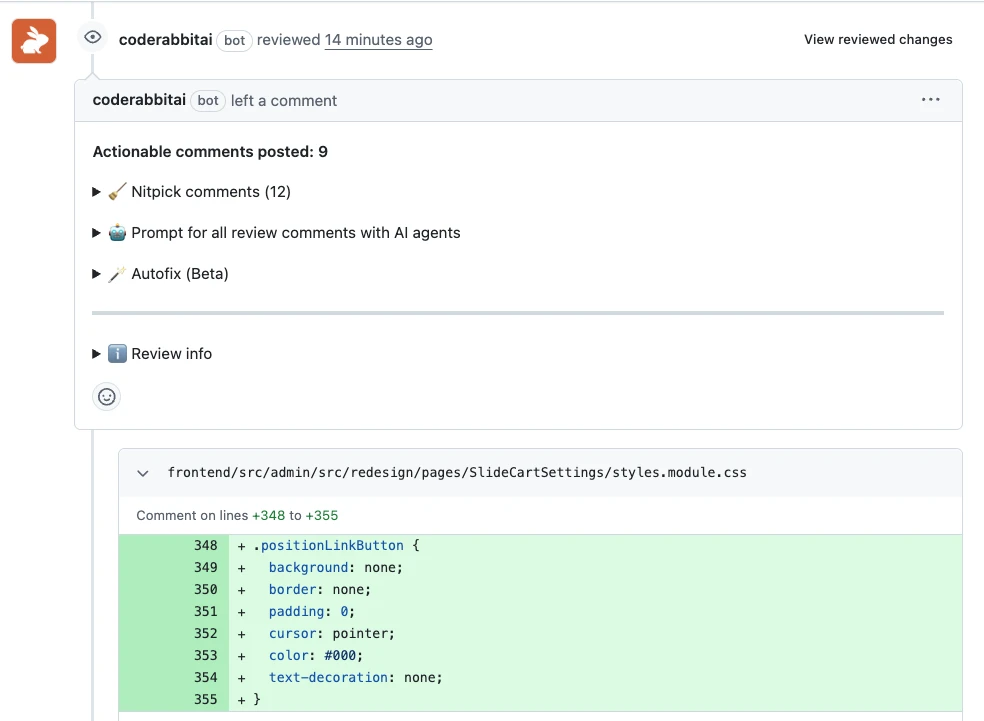
Die größten Vorteile zeigen sich bei fokussierten, klar definierten Aufgaben. So dauerten beispielsweise die Analyse der Shop-Performance und die anschließende Umsetzung von Verbesserungen früher Tage. Mit KI-gestützter Entwicklung liefern wir die gleiche Qualität in wenigen Stunden.
KI im operativen Bereich
Über die Kundenarbeit hinaus nutzen wir KI zur Automatisierung interner Prozesse wie Prognosen, Budgetierung und Leistungsanalysen. Das klingt vielleicht nicht spektakulär, sorgt aber für schlankere Abläufe, sodass wir mehr Energie in die Arbeit für unsere Kunden stecken können.
Vorsprung durch Austausch
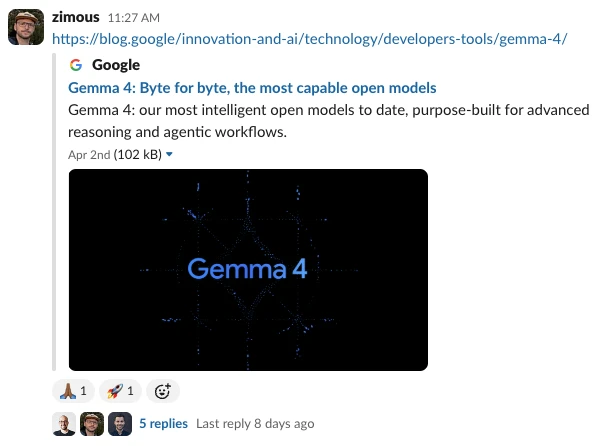
Die KI-Landschaft entwickelt sich rasant. Fast wöchentlich gibt es neue Tools, Funktionen und Arbeitsweisen. Wir sind überzeugt, dass wir nur gemeinsam Schritt halten können. Deshalb veranstalten wir regelmäßige KI-Meetings und pflegen einen gemeinsamen Slack-Kanal. Dort teilt das gesamte Team nützliche Entdeckungen wie neue Workflows, Tipps, Tool-Empfehlungen sowie Erfahrungen zu Dingen, die funktioniert haben – oder eben nicht. So bleibt das gesamte Team auf dem neuesten Stand, nicht nur die Technik-Begeisterten.
Was das alles bedeutet
Wir nutzen KI, um weniger Zeit mit der Ausführung und mehr Zeit mit dem Denken zu verbringen. Die Analyse, die Strategie, die Qualitätskontrolle, der Austausch mit Kunden – genau hier liegt unser Mehrwert und darauf konzentriert sich unser Team.
KI ist ein Werkzeug. Ein mächtiges, das wir beherrschen wollen. Aber die Entscheidungen, die Standards und die Verantwortung – die bleiben bei uns.