私たちが手がける移行プロジェクトの多くは、他のプラットフォームからの乗り換えです。Purity Visionはチェコのオーガニック・ナチュラルコスメブランドで、すでに一部をShopifyで運用していました。本来なら作業は容易なはずでしたが、実際はそうではありませんでした。
ゼロから始めるべきだと判断した理由
技術監査の結果は、受け入れがたいものでしたが明確でした。既存の環境を破棄し、ゼロから再構築することです。決定打となったのは、Purity Visionのバックオフィスを支えるERP「K2」との連携でした。既存の接続は信頼性を完全に失っており、ERP連携は商品、価格、在庫、注文など、チームが日々依存するすべての情報を扱います。再構築により、K2の最新バージョンに合わせて設計し、最初から連携を前提としたストア構築が可能になりました。当然ながら、品質、安定性、機能網羅性に対する期待は非常に高いものでした。
「同じものを、より良く」
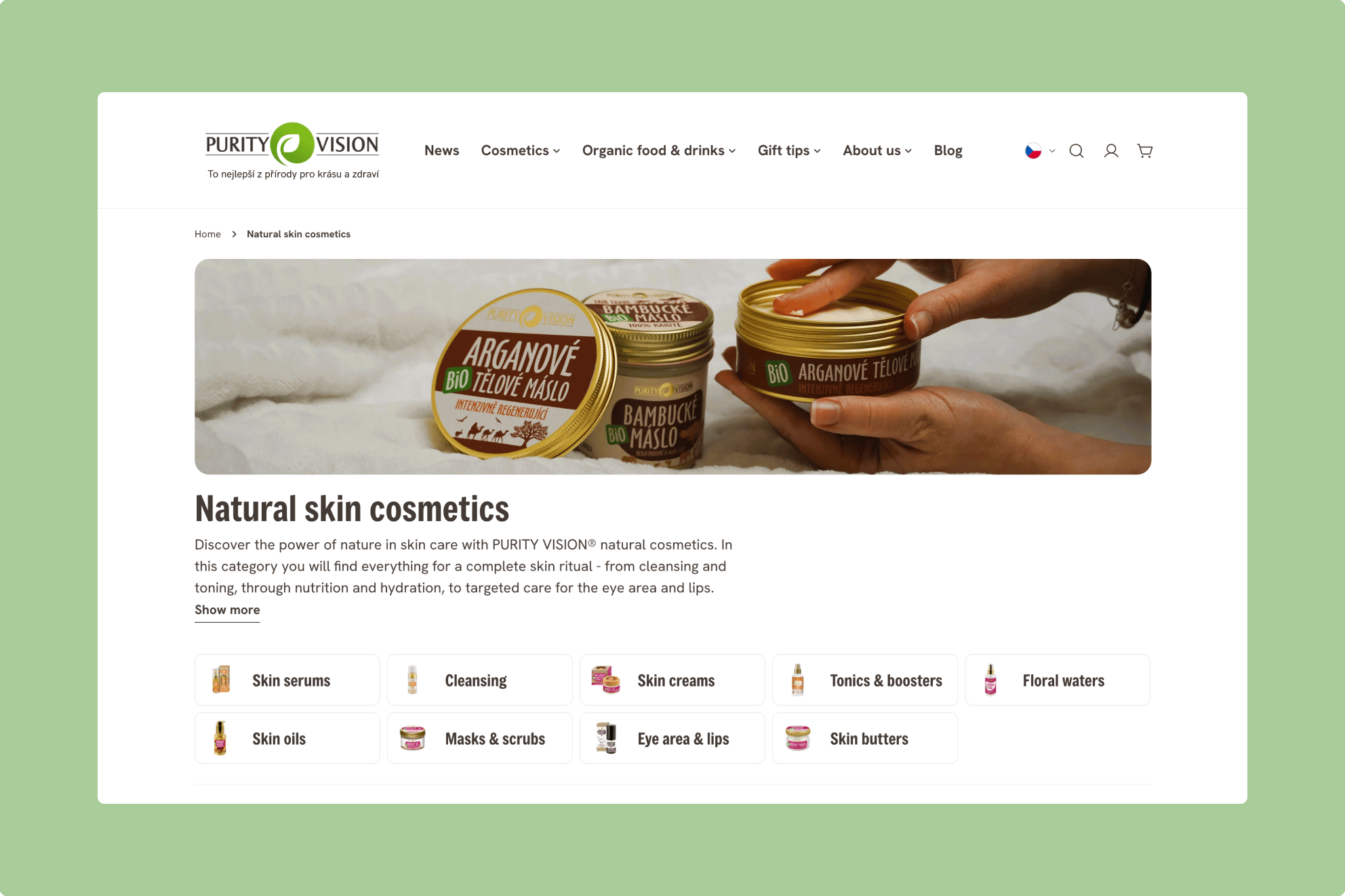
この言葉がプロジェクトの指針となりました。機能していたものは維持し、問題があったものは改善する。モダンなリデザイン、よりクリーンなUX、徹底したコンバージョン最適化、そして適切なSEO移行(リダイレクトマップ、ローンチ前監査、ローンチ後2ヶ月間のSearch Consoleチェック)を行い、再構築によってオーガニックトラフィックを損なわないようにしました。
まずは売上の割合が小さかったスロバキアのストアから着手し、実際の注文を通じて新しいK2連携の有効性を検証しました。商品、価格、在庫、カテゴリーツリーはK2から毎日同期され、注文情報はリアルタイムで戻り、配送状況や追跡番号も自動的に反映されます。すべての同期はログに記録され、失敗した操作は自動的に再試行され、異常があればアラートで通知されます。本番環境で問題がないことを確認した後、同じ構成をチェコのメインストアに展開しました。1年後、この基盤は国際市場向けの3つ目のストア「purityvision.com」にも活用されました。
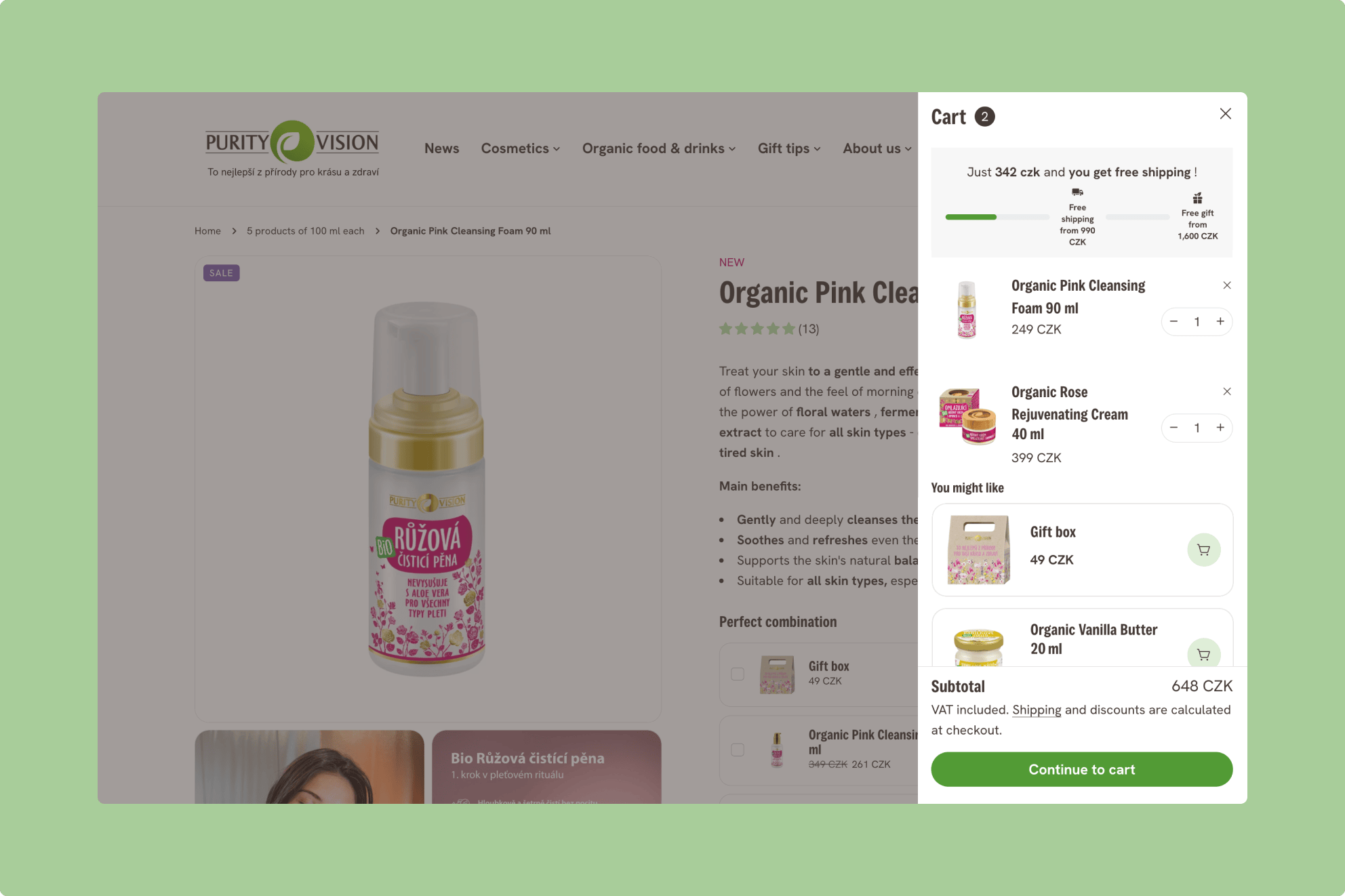
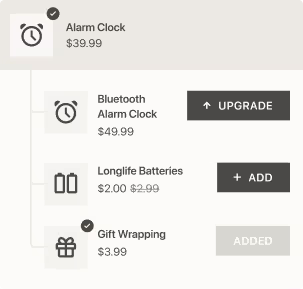
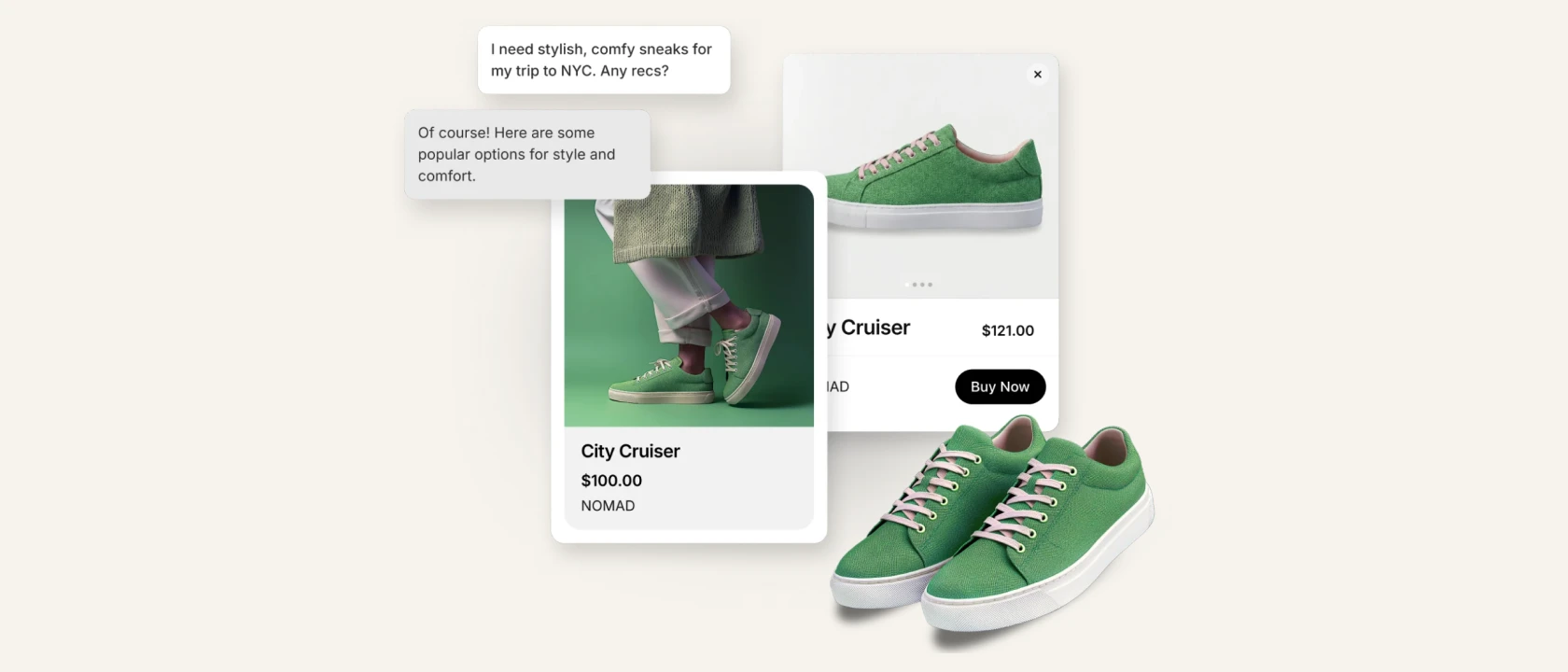
ERPの仕様はストアフロントにも影響を与えました。商品はK2から独立したアイテムとして送られてくるため、メタフィールドを介してそれらをリンクさせるカスタムバリエーションセレクターを構築しました。Gift Boxによるギフト選択はカート内で直接実行され、「自分だけのスキンケアセット」を作成できるビルダーを導入。さらにCandy Rackを使用して、商品ページで関連性の高いクロスセルを提案しています。
ストアフロントの枠を超えて
Purity Visionが顧客対応に使用しているオムニチャネルプラットフォーム「Daktela」を統合し、パーソナライズされたマーケティング自動化のためにLeadhubを接続しました。また、Shopify Plusへの移行を推奨しました。ERP主導の3つのストアを運用する上で、上位プランへの移行はプロセス改善によって十分に元が取れます。さらに、代金引換手数料の処理や受取場所の選択など、チェックアウト画面に直接カスタム機能を組み込むことが可能になりました。Purity VisionのEコマースマネージャー、Sarah Malíková氏は次のように述べています。
「非常に快適で迅速、かつプロフェッショナルな協力関係でした。推奨されたShopify Plusへの移行は、私たちのプロセスを大きく改善する重要な転換点となりました。プロアクティブな姿勢、細部へのこだわり、そして明確な説明に感謝しています。」
2回目の実装から学べること
Shopifyの最初の実装がうまくいかなかったからといって、プラットフォームの選択が間違っていたわけではありません。私たちの経験上、それは最も困難な部分、つまりERP連携が過小評価されていたことを意味します。同様のパターンはEconeaでも見られました。そこでは、Shopifyとクライアントのプロセスをいかに組み合わせるかがプロジェクトの核心でした。数値を含む詳細は、Purity Visionのケーススタディをご覧ください。