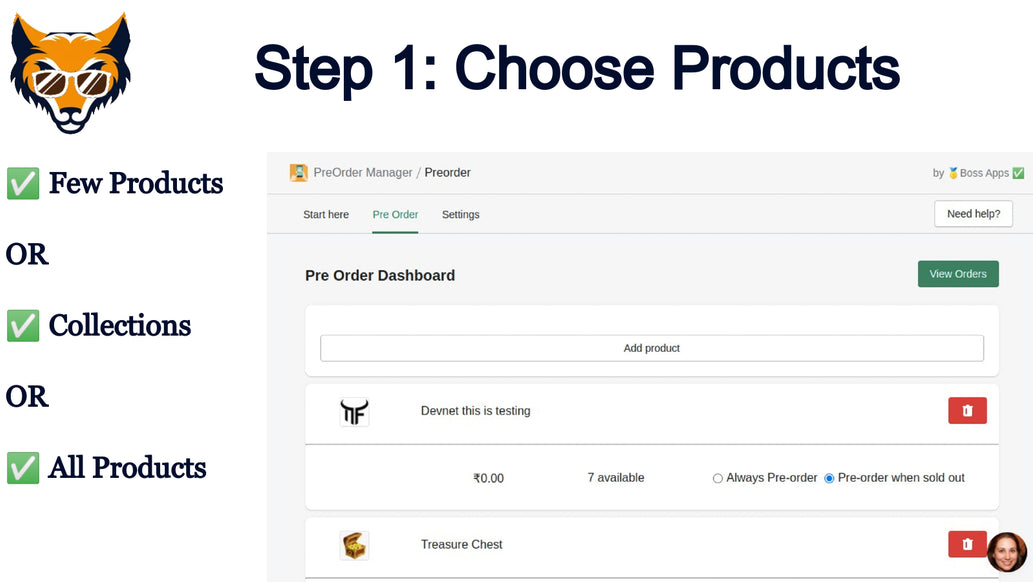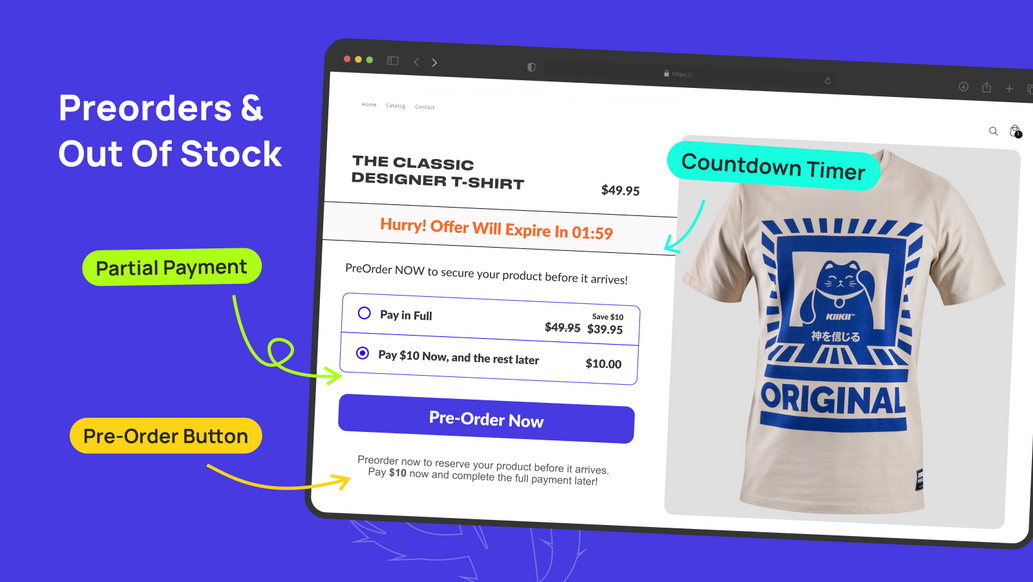
Pre-orders let shoppers buy before a product is ready to ship. They can support a new launch, made-to-order production or a temporary stock gap. The important choice is not just which app replaces the sold-out button. It is when you collect payment, how you communicate the delivery date and whether your fulfillment team can distinguish pre-orders from ready-to-ship stock.
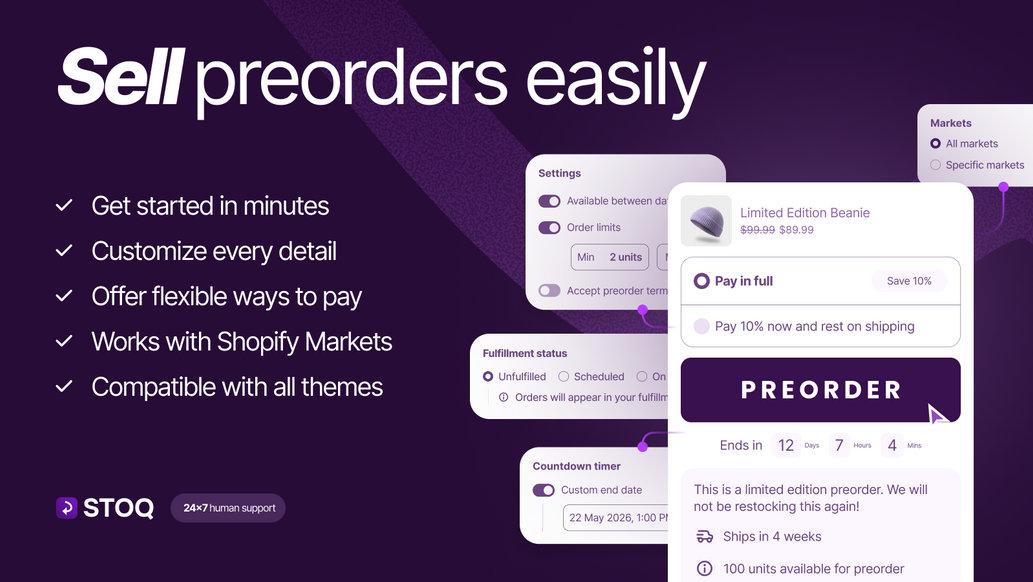
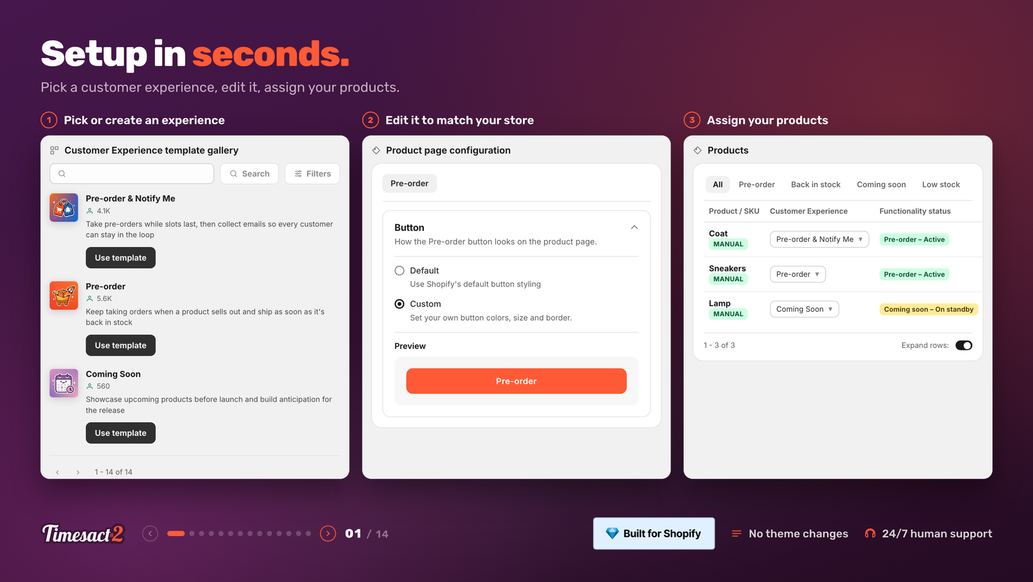
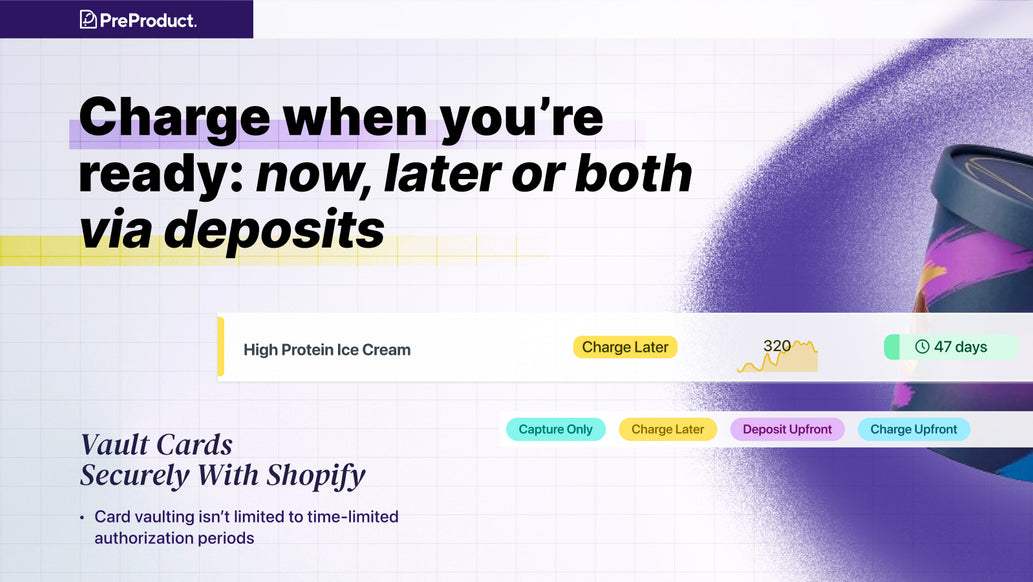
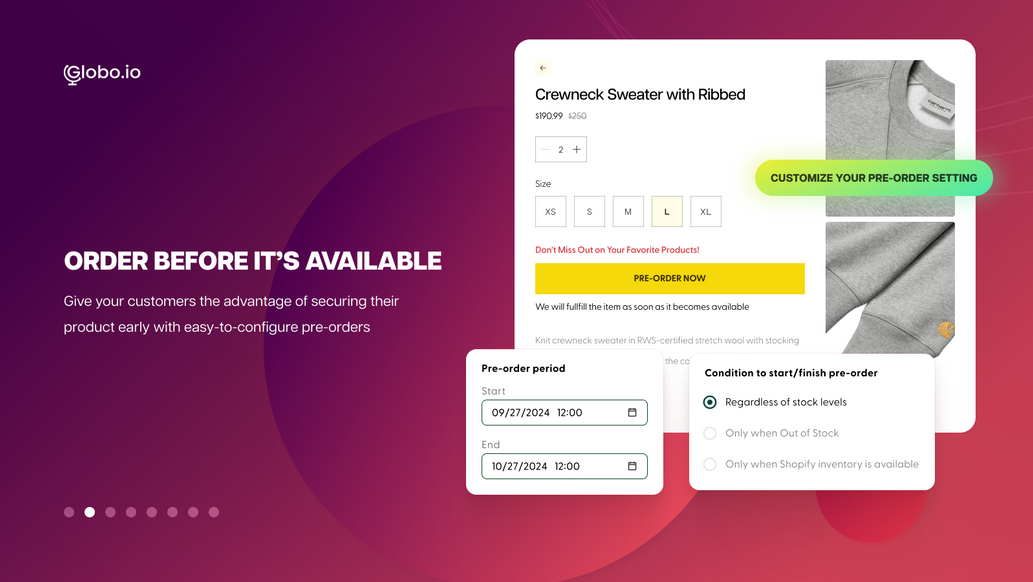
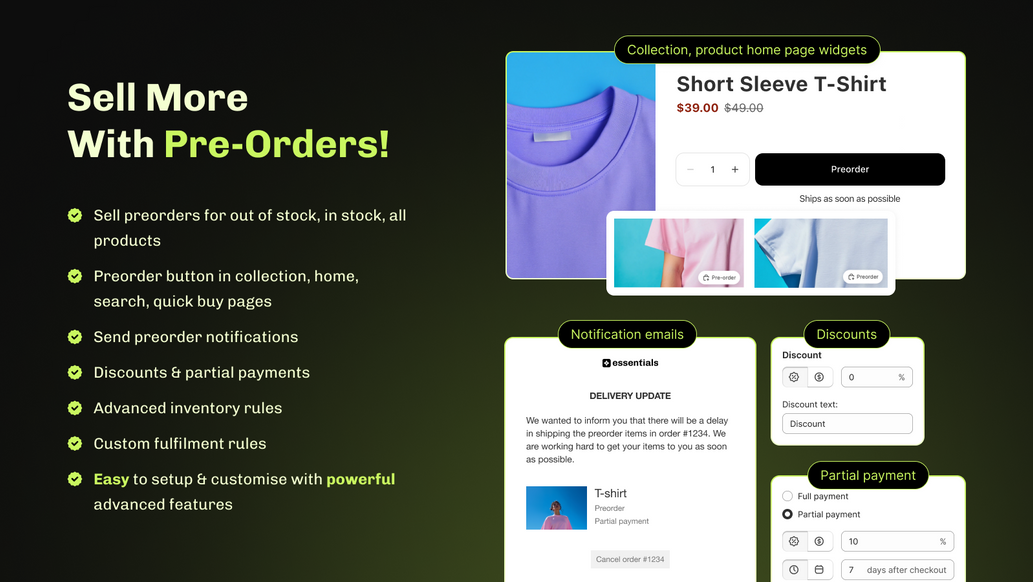
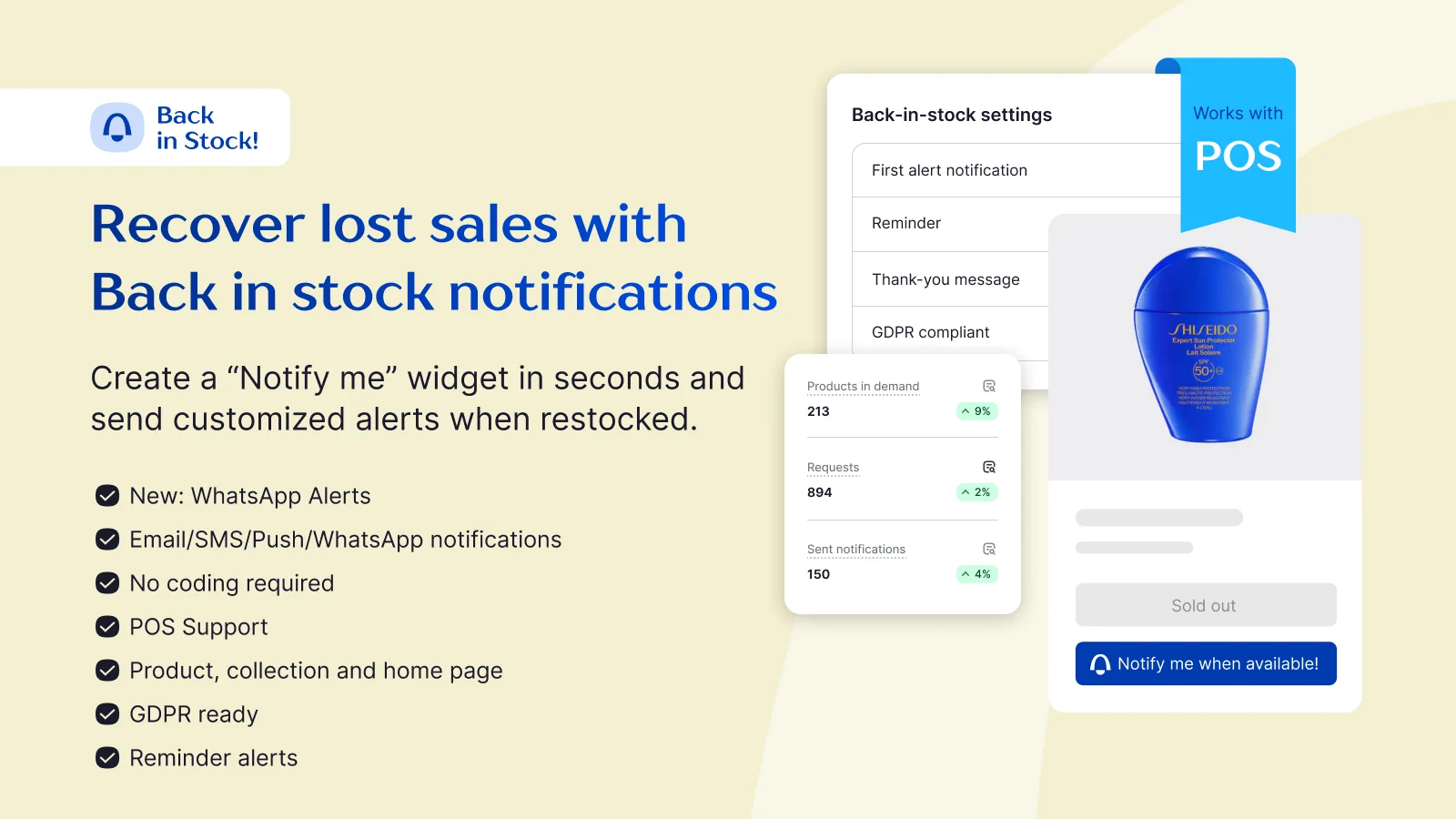
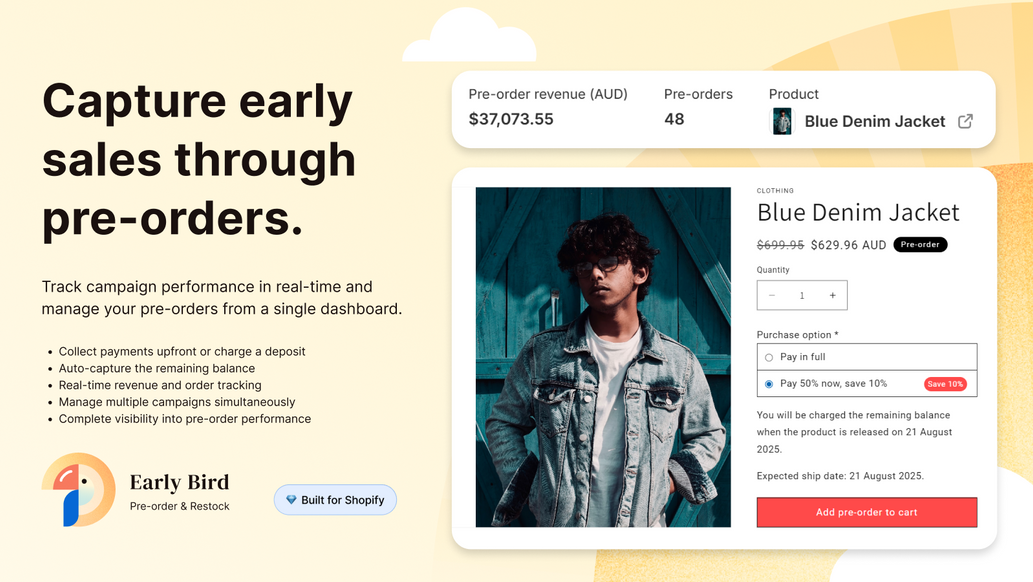
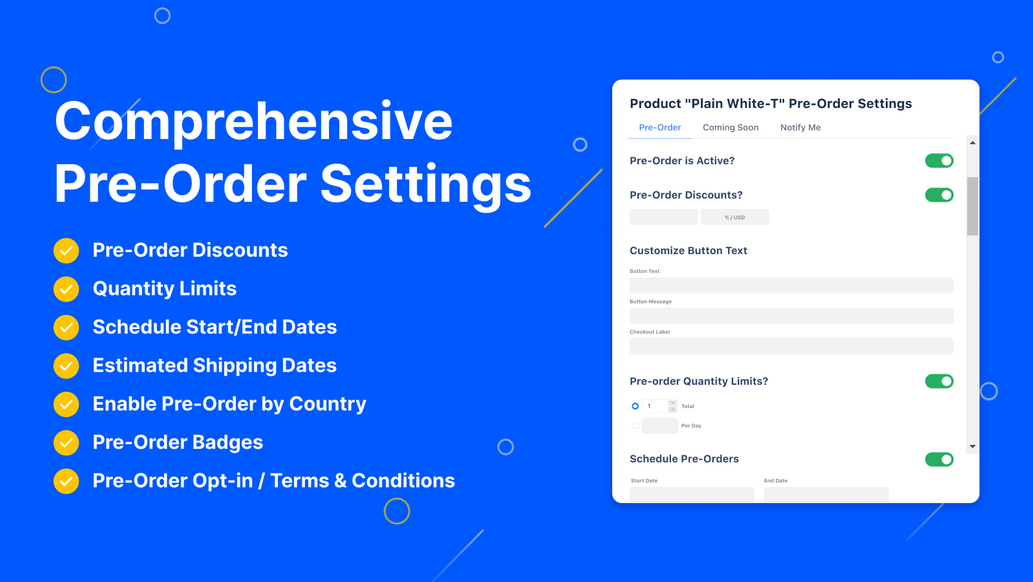
STOQ leads our selection for combining pre-orders and restock alerts with clear volume-based pricing. Timesact offers detailed control over variants and availability, while PreProduct is a strong candidate for deposits, deferred payment and fulfillment holds. Globo and Essent deserve a close look when the budget is tighter.
This editorial ranking uses the app listings, developer websites, documentation and merchant reviews researched for our individual reviews, with particular attention to one-, two- and three-star feedback and developer replies. We weighed payment workflows, stock controls, integrations, pricing and limitations. This is a researched comparison, not a hands-on performance test.
What to compare before choosing a pre-order app
- Payments: full payment, deposits and pay-later reservations are different workflows. Confirm who triggers the remaining charge, whether reminders are included and what happens when a card fails.
- Inventory and fulfillment: test variants, locations, order caps and carts mixing available and incoming stock. A visible pre-order button does not guarantee that your warehouse will hold the order.
- Compatibility: check your theme, upsells, bundles, payment methods and sales channels. Shopify's native pre-order rules include restrictions on accelerated checkouts and Buy X Get Y discounts; an app's alternative full-payment mode may work differently.
- Total cost: add the subscription, order overages, messaging and any revenue-based fees. A one-time free allowance or a development-store plan is not an ongoing free plan for a live shop.